September is National Preparedness Month, making it a good time for Fountain Hills homeowners to review fire safety both inside and outside the home.

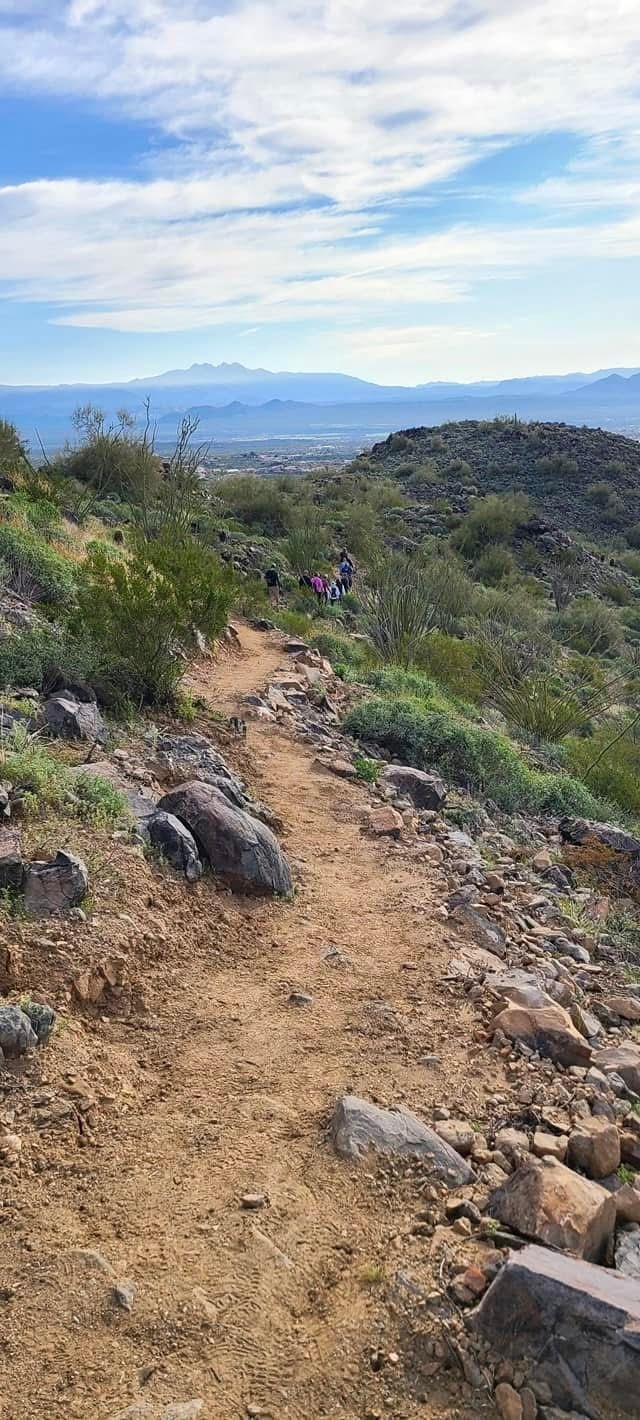
Living next to the beautiful Sonoran Desert is one of the things that makes Fountain Hills, AZ, so special. It also means homeowners should be mindful of dry vegetation, windblown debris and other conditions that can increase wildfire risk.
Is Fountain Hills a Firewise Community?
Fountain Hills is not certified as one town-wide Firewise USA community. Firewise recognition is typically earned by individual neighborhoods and developments. Local communities having individual Firewise recognition include Lakeside Resort Casitas, Morning Side, Little Fountain Condos and, SunRidge Canyon and Rio Verde and Tonto Verde,
The Town of Fountain Hills also works with the Fountain Hills Fire Department and the Arizona Department of Forestry and Fire Management to promote defensible space, emergency planning and wildfire preparedness.
The national Firewise USA program helps neighborhoods identify wildfire risks and work together to reduce them.
Create Defensible Space Around Your Home
Start with the area closest to your home:
- Clean leaves and debris from roofs, gutters and patios.
- Remove dead plants, branches and dry vegetation.
- Trim plants so they do not touch the house.
- Keep tree branches away from the roof and chimney.
- Move firewood and other combustible materials away from structures.
- Use gravel, pavers or other noncombustible materials near the home when possible.
If your property borders open desert, a natural area or a wash, regularly check for accumulated dry vegetation. Before removing native desert plants, review Town of Fountain Hills requirements and any applicable native-plant protections.
Indoor Fire Safety Checklist
Test your smoke alarms
Smoke alarms should be installed inside bedrooms, outside sleeping areas and on every level of the home. Test them monthly and replace batteries according to the manufacturer’s instructions.
The U.S. Fire Administration recommends replacing smoke alarms 10 years after their manufacture date. Learn more through its smoke alarm safety guide.
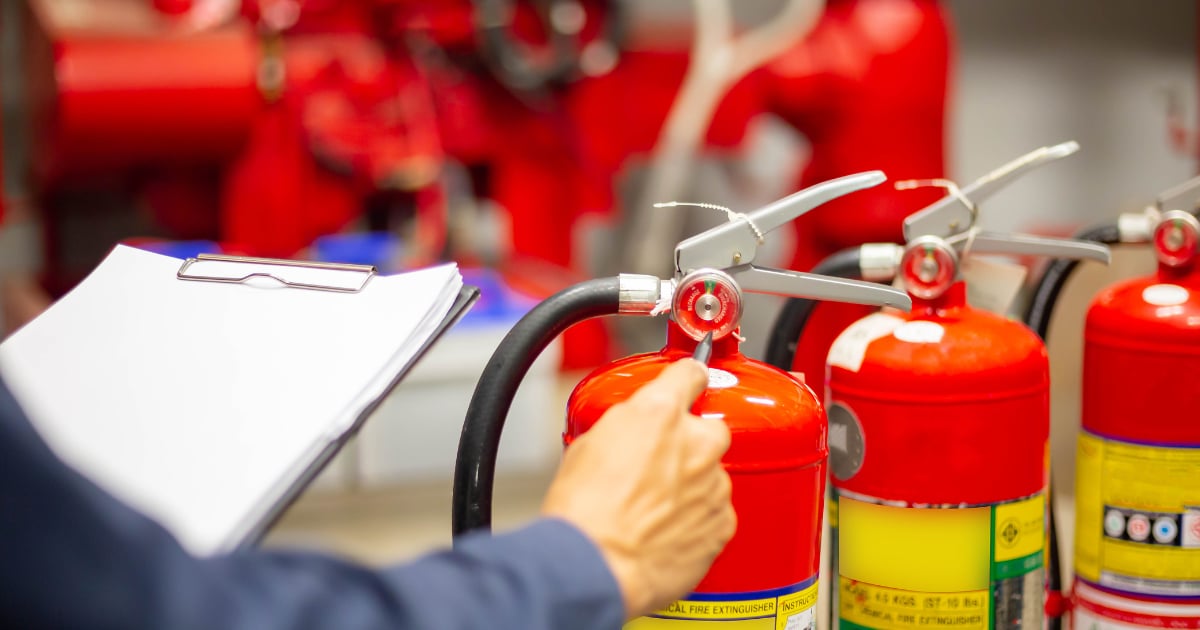
Check your fire extinguishers
Keep an appropriate fire extinguisher in the kitchen and consider additional extinguishers near the garage and outdoor cooking areas.
Check the pressure gauge, hose, safety pin and service information. Make sure everyone in the household knows where the extinguishers are located and how to use them.
Create an escape plan
Identify two possible exits from each bedroom and choose a meeting place outside. Practice the plan with everyone in the household and include pets in your preparation.
Keep leashes or carriers accessible and make sure pet identification and microchip information are current.
Use Outdoor Equipment Carefully
Place grills, fire pits and chimineas on stable, noncombustible surfaces away from the home, patio coverings, fences and vegetation. Never leave an active flame unattended and check current restrictions before using an outdoor fire feature.
Store gasoline, propane and other flammable materials in approved containers and follow all manufacturer instructions. Propane cylinders should never be stored inside the home or in an enclosed garage.
Pool chemicals should remain in their original containers and be stored in a cool, dry, well-ventilated location away from sunlight, moisture and flammable products. Never combine pool chemicals.